
The Epixx Journal · Connected homes
Before buying faster broadband, find out where the connection fails
The connection arriving at your house and the connection reaching your desk are two different things. Paying for more of the first may not fix the second.
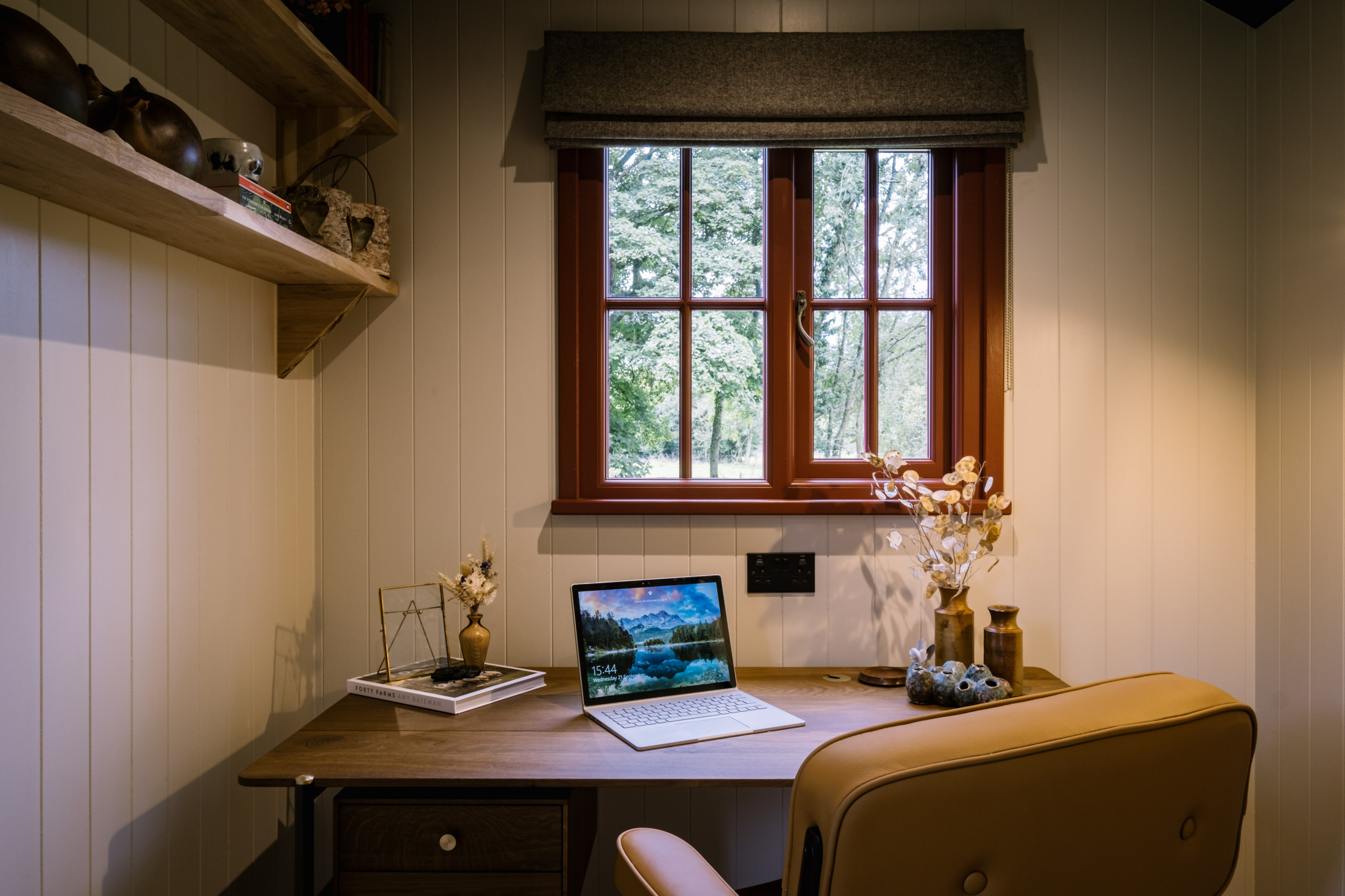
Follow the connection, not the sales headline.
A video call that breaks up in the study does not, by itself, tell you that the broadband package is too slow. The problem may be the incoming service, the route through the network, wireless coverage or the device being used.
Start by recording where and when the problem happens. Does it affect every room? Does it happen when several people are online? Is one laptop struggling while other devices work normally?
Those observations help separate a service problem from a distribution problem. Buying another box before understanding that distinction can simply move the frustration.
Compare like with like.
Use the same device, test service and approximate time to compare locations. Where practical, compare a suitable wired connection with WiFi near the router and then in the problem room. A test result is a snapshot, so repeat it at the times the difficulty usually occurs.
If the incoming connection itself is consistently poor, the provider needs to be part of the conversation. If performance is good near the network connection but deteriorates around the building, investigate the local network and coverage.
A speed result is not the whole experience. Note dropouts, delayed responses and unreliable calls as well as the headline download number.
Give the building a network plan.
Thick walls, several floors and a router hidden at one end of the house can make a single wireless point a poor fit. Properly placed access points and a planned wired data network give the design more options.
Wireless mesh can be useful when cable routes are difficult. It is not automatically equivalent to a wired connection between access points. Ubiquiti’s guidance recommends minimising wireless mesh links where practical and checking upstream bottlenecks and client limitations.
An outbuilding is its own conversation.
A garden office or detached garage may need a designed link, local coverage and suitable power, rather than a stronger router in the house. Distance, construction, existing routes and the intended use all matter.
Describe the outcome: reliable work calls, music, camera access or a combination. A survey can then assess the appropriate connection and equipment. Avoid choosing a cable or wireless link purely from a distance estimate.
The other systems depend on the same foundations.
Streaming audio, television and networked security equipment may share the infrastructure. Include them in the plan, along with the household’s phones and computers.
At handover, test the important activities in the actual rooms: a call at the desk, playback in the living room and the agreed connection in the outbuilding. Ask for clear equipment labels and a record of the installation.
The right upgrade is the one that addresses the measured constraint. Sometimes that is broadband; sometimes it is the network already inside the property.
The Epixx viewFind the weak link first. Match the improvement to the building and the way you use it.
Ubiquiti: maximising wireless speeds

From our portfolio
A connected lakeside home in Crook
WiFi and data were part of Epixx’s specialist installation at the Crook new build, alongside multi-room audio, lighting control and blinds. The project illustrates why networking belongs in the early design conversation.
Explore the projectPut the ideas into practice
The right details.
Considered together.
Your project. A useful conversation.
Better connected.
Where it matters.
Tell us about your space and what you want to improve. From our Carnforth base, we work across Lancashire, Cumbria, the Lake District and North Yorkshire.