

Project Guides / Design Coordination
Architectural Lighting Design: What to Include in a Tender Package
A shared basis for pricing and delivery. Considerations for bringing lighting details, controls and responsibilities into the wider tender package.
A useful tender package makes the design comparable.
A shared description of the proposed lighting system can make tender returns easier to compare. A useful tender package defines the intended result, the proposed equipment and the responsibilities needed to deliver it. It can also identify areas for further design development in a way that suits the procurement stage.
The level of detail should match the project stage and procurement route. A performance brief can legitimately leave design development to a specialist, but it must say what performance and deliverables are expected. A prescriptive specification should contain enough coordinated information to support the products and quantities it calls for. Where both approaches are used, a clear interface can help bidders understand the intended division of design responsibility.
The architectural and lighting intent.
A short description of how the principal spaces should work and feel can establish the brief. Task lighting, ambient layers, feature lighting, controls and the architectural details to be preserved can all be recorded as part of that intent. This gives bidders a reason for the specification, making it easier to assess proposed alternatives.
Include representative scene descriptions where intelligent controls are required. State whether blinds or other systems participate and identify the scope of those interfaces. A short description of the intended actions can help clarify the scope of any smart home integration.
Record key assumptions: the revision of the architectural layout, ceiling information, kitchen and joinery drawings, decorative-light selections and any client decisions still outstanding. Bidders should know what is fixed and what may need further coordination.
Connections between drawings and schedules.
Provide a coordinated reflected ceiling lighting plan with fitting references, setting-out intent and relevant ceiling levels. Add sections and elevations for concealed linear lighting, trimless fittings, joinery and other interfaces that cannot be understood in plan. Show driver and control-equipment locations or clearly define who develops them.
The luminaire schedule should identify the proposed manufacturer and product reference, optic or beam, output option, colour temperature, finish, driver and control interface as relevant. Include mounting accessories and other required components. Identifying the associated driver, frame and accessories can help establish the complete procurement scope.
Keep references consistent across drawings, schedules and specifications. If a product is listed as L07, the same reference should appear wherever it is used. Identify quantities and explain whether they are supplied for guidance or are part of the pricing basis, in line with the project’s procurement arrangements.
Controls and the intended operating experience.
Provide a control-zone schedule and a narrative explaining the required scenes, keypad functions and relevant automatic behaviour. Distinguish the operating groups from the electrical circuits. State the proposed platform or required functionality, with compatibility checks assigned to a named role.
Include the hardware and the work needed to make it useful: system design, interfaces, configuration, addressing where applicable, programming, testing, scene setting, labelling and client demonstration. If these are omitted, a quotation may cover equipment supply without the finished operating experience.
For a Lutron proposal, verify the current regional products and the specified interfaces. For DALI or phase dimming, confirm responsibility for the driver and controller combination. The protocol comparison and Lutron specification guide provide useful background for those decisions.
| Document | Example reference | What must agree |
|---|---|---|
| Lighting layout / RCP | EP-L-101 | Fitting positions, types, ceiling details and access points. |
| Luminaire schedule | EP-L-201 | Each fitting reference, optic, colour temperature, driver and finish. |
| Circuit and control schedule | EP-L-301 | Circuit identifiers, zones, load assumptions and control protocol. |
| Control intent | EP-L-401 | Scene descriptions, keypad locations and commissioning responsibilities. |
| Construction details | EP-L-501 | Recesses, supports, joinery, drivers and maintenance access. |
| Scope and responsibility schedule | EP-L-601 | Design, supply, installation, programming, testing and handover responsibilities. |
Scope and responsibility interfaces.
An agreed allocation of design, supply, installation, connection, testing and commissioning responsibilities can help the team coordinate each element. This is particularly important for joinery lighting, decorative fittings, blinds, specialist controls and client-supplied products. A simple responsibility matrix can prevent several contractors each assuming that another has included the same component.
State who coordinates openings, frames, supports, access panels and making good. Clarify who provides cable routes and containment, who checks driver access and who confirms the ceiling or wall construction around the fittings. Assign the design checks that depend on structure, fire performance, acoustics or other disciplines to the appropriate responsible parties.
Named parties and scope boundaries can make exclusions easier to coordinate. If a decorative fitting has not yet been selected, define the allowance or provisional basis and the process for checking its eventual load, driver and control compatibility.
Alternatives, samples and design review.
The design purpose provides a useful basis for reviewing alternatives alongside purchase cost and output. Compare distribution, glare control, colour quality, dimensions, mounting detail, driver compatibility, dimming behaviour, access and the effect on the surrounding construction. A similar-looking aperture may require a different ceiling detail.
Define the submission and approval process before ordering. Ask for the relevant technical data, installation instructions and a clear statement of differences. Record who approves the alternative and update the coordinated documents if it is accepted. An explicit approval record can help maintain clarity for the project team.
For visually important details, include a sample or mock-up requirement. It might demonstrate a plaster-in profile, an illuminated joinery shelf or a dimming combination. State what is being assessed and when approval is needed, so the exercise informs procurement rather than merely displaying an installation that can no longer be changed.
Commissioning and handover considerations.
Set out how the completed lighting will be checked against the design intent. Include functional testing, relevant scene and control checks, client instruction and the records needed for maintenance. Agree whether a review in the finished interior is required to refine aiming and scene balance.
The handover should identify installed products, drivers, access locations, control references and approved changes. Include the appropriate operating and maintenance information, relevant configuration records and support arrangements. Electrical certification and other statutory deliverables remain subject to the actual scope and applicable requirements; the tender should assign those responsibilities clearly.
CIBSE’s Commissioning Code: Lighting is a professional reference for planning commissioning and handover. Its public overview is not a substitute for reviewing the complete guidance or the project’s specific obligations.
A coordinated tender issue.
A coordinated pre-tender review can help align drawings, schedules, specifications and responsibilities. References, fitting counts, outstanding decisions and issue status can be reviewed together to give bidders a consistent basis.
Invite clear qualifications and alternatives in the return, rather than allowing hidden omissions. When comparing bids, review scope, commissioning and exclusions alongside price. Differences in the allowance for drivers, controls or coordination may explain part of the price variation.
Epixx can support the early lighting design, specification and controls coordination, working with architects and the wider project team. Where useful, specialist input during design development can help resolve the lighting detail around the architect’s vision and the wider project programme.
Continue the detail
Connected thinking.
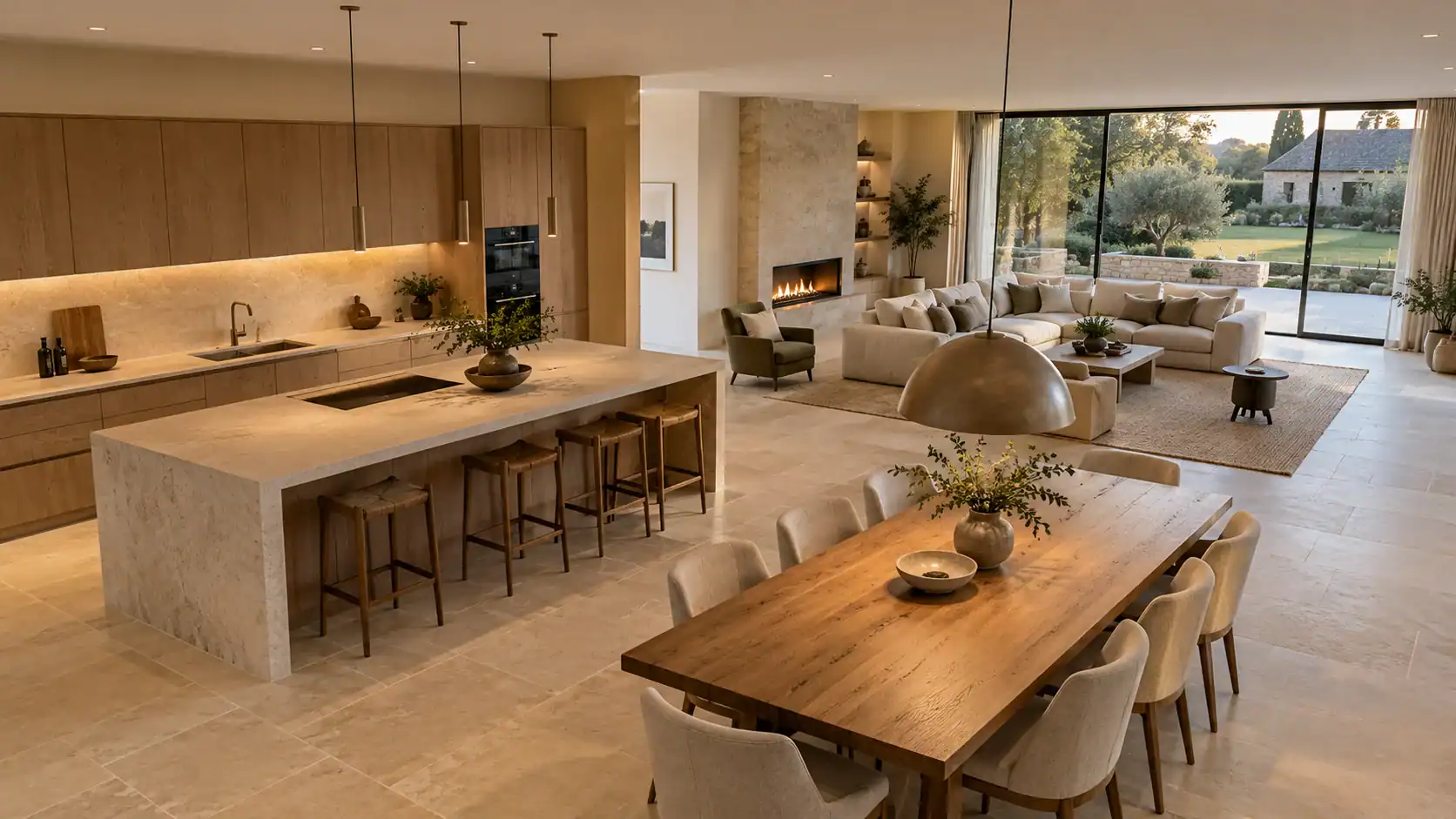
How to Create a Reflected Ceiling Lighting Plan
Supporting the design intent with coordinated information. A reflected ceiling plan can bring lighting, architecture and services into a shared view.

Lutron Lighting Controls: A Specification Guide for Architects
Controls that complement the way a home is used. Everyday routines can inform scenes, zones and control locations alongside the wider interior design.

Lighting Control Wiring: What Needs Planning Before First Fix?
Bringing lighting intent into the first-fix conversation. Early coordination can help align controls, cable routes and equipment with the architectural design.
From drawing to delivery
Your vision.
Thoughtfully realised.
Epixx works with homeowners and project teams on lighting design, specification, controls and installation across Cumbria, the Lake District, Lancashire and the wider North West. Whether you’re planning a self-build, developing a design or coordinating work on site, we’d be happy to explore how we can support your project.